Between an artist in a studio and someone who would like to live with one of their works, there is rarely a wall. There is a silence. Neither knows the other exists, and when by chance they meet, the conversation stumbles on very material things: price, weight, transport, guarantee. This is one of the reasons an artist agency exists. Bringing people together is exactly that work, holding an emotion and a logistics problem together.
What the collector is really looking for
Nobody buys a sculpture at the end of a reasoning process. You look at it, it stays in your head, you come back to it. But between that moment and the acquisition, a series of questions arises, and they are almost always the same.

Is it a
An artist alone answers these questions case by case, often badly, because it is not their trade. The agency answers once and for all, piece by piece, and that changes the nature of the exchange. The collector stops being afraid of making a mistake.
What the artist expects, on the other side
The reverse is also true. An artist receiving ten messages a month has no way of telling polite curiosity from real intent. They answer everything, spread themselves thin, and end up answering nothing.
Qualifying an enquiry is part of the agency’s work. A question about a specific piece, a constraint of space, a budget mentioned, a deadline: that can be handled. A request for half off a
The catalogue as a meeting point
This is where documentation earns its keep. A complete catalogue, published in full, lets someone form a view alone, without having to ask. They compare, they come back, they rule things out, they choose. By the time they write, they know what they want.
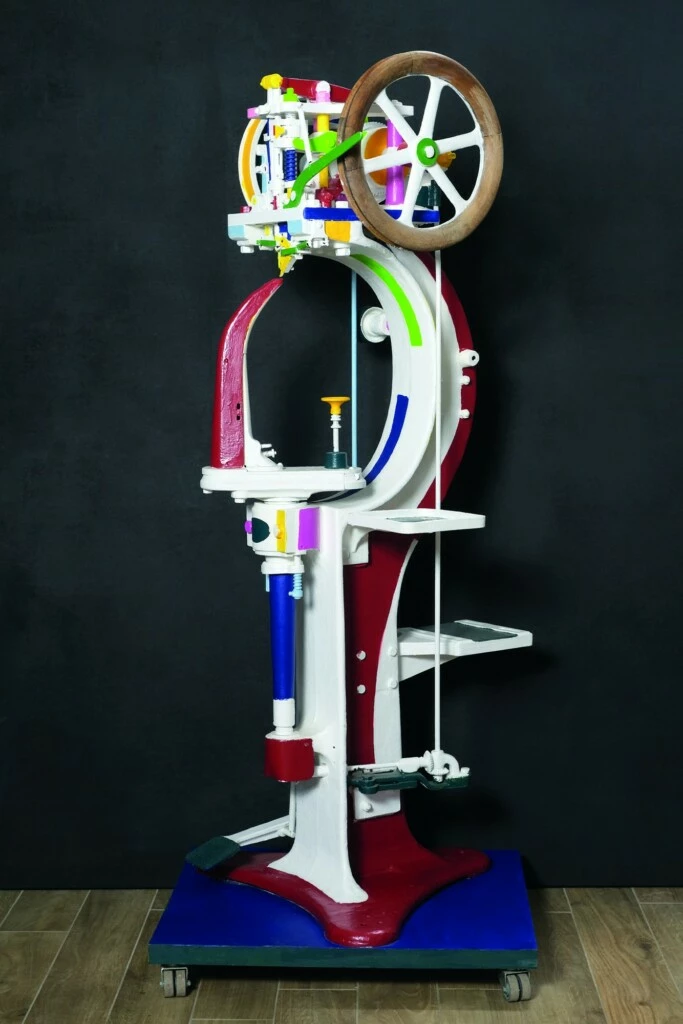
At ARTDELION, the 137 works of Pierre Le Caër and the 163 of Gabriel Lemaire Sicre are reachable from the catalogues page, each piece with its title, materials, dimensions and place within a body of work. The works currently available are gathered in the shop. The others remain consultable, because a trajectory reads better whole.
How it actually runs
An enquiry arrives through contact or from a work’s listing. It is read by a person, not by an automated form. Then, in order: the missing information about the piece, a written quotation including shipping, agreement, a secure payment, an insured delivery, and the certificate of authenticity where the artist issues one.
The same sequence applies to any online acquisition of a contemporary sculpture. There is nothing remarkable about this list of steps. Its only quality is that it is written down and does not change from one buyer to the next.
Why time matters
A successful introduction does not end at delivery. A collector who has bought a piece comes back to see what the artist has made since, recommends, lends for an exhibition, sometimes buys again. That is why an agency works in years rather than in events.
To understand the house rather than the trade, the agency page tells how ARTDELION came about. Artists who wish to be represented go through the application page.