It is the gift people always hesitate over, and for a good reason: choosing, on someone else’s behalf, what they will look at every day for twenty years is intimidating. Here is how to go about it, and how to get around the difficulty when it is real.
The real question is not taste
People think the risk is getting the style wrong. The real risk is elsewhere: it is getting the space wrong.
Someone living in thirty square metres cannot take in a piece a metre eighty tall, however much they love it. Someone who moves every two years does not want a work weighing forty kilos. A couple who have just had a child will not put a thin tall piece in the living room.
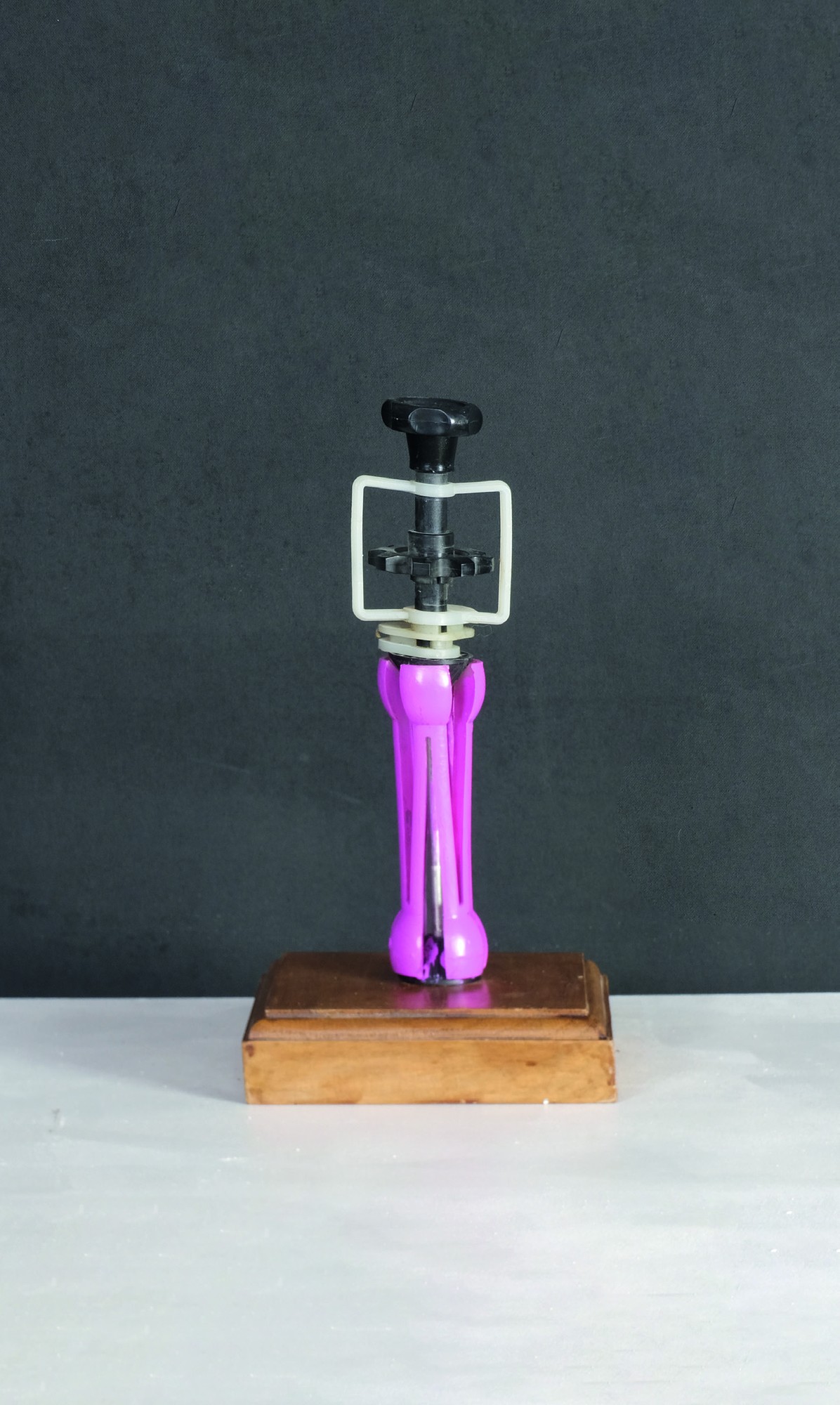
So start with the size, not the style. A sculpture of thirty to fifty centimetres finds its place anywhere, on a console table, a bookshelf, a desk. That is the forgiving size.
What almost always pleases
Three families work when you do not know the person’s taste well.
Readable figurative pieces. A bird, a ship, a silhouette. You see at once what it is, you smile, and the conversation starts. Radical abstraction, by contrast, asks for prior agreement.
Pieces that carry a story connected to the person. A former sailor, someone who loves dance, someone who grew up in Brittany. The object stops being decoration and becomes a sign of attention. It is the best of gifts, and the easiest to get right.
Warm materials. Wood, stone and patinated metal fit almost any interior. Very bright colours are magnificent, but they converse with the room they are in, and you do not choose that room.
The budget, said plainly
A first acquisition most often sits between eight hundred and three thousand euros. Below that you find small format pieces, often the most endearing. Above it you enter the important pieces, and it is better if the person takes part in the choice.
A collective gift works very well for a work: it is common practice for a retirement, a significant birthday or a wedding. Five people putting in three hundred euros each give a piece nobody would have given alone.
When you would rather not decide for them
That is often the case, and it is legitimate. Three solutions exist, in order of elegance.
The choice of three. You pick three pieces that seem right for them, within your budget. We prepare a private page with those three works, and you show it to them on the day. The gift is your attention, and the final choice is theirs.
The visit. For an important piece, we arrange a meeting with the artist or a visit to the place where he works. The object then cannot be separated from a moment lived together, and that is often worth more than surprise.
The acquisition voucher. We issue a document for the amount you choose, valid for a year across the whole catalogue. It is less spectacular to open, but nobody ends up with a work they would not have chosen.
For all three, write to us and we will set them up at no charge.
The practical questions people ask quietly
Can a work given as a gift be returned? Yes. The buyer has fourteen days to withdraw from receipt, and that right belongs to the buyer, not to the recipient. In practice, if the gift does not suit, tell us quickly and we will organise the return. Beyond the period we always look for a solution, but we cannot promise one.
Is the price visible? We never put the invoice in the crate when it is a gift. Tell us when you order and the invoice is sent to you separately.
Can it be delivered straight to the person? Yes, on a chosen date. One caution though: a made to measure wooden crate arriving unannounced at the home of someone expecting nothing is a strange moment. Warn them a delivery is coming, without saying what it is.
Can a note be included? We slip a card with your message into the crate, beside the certificate where there is one, and the work’s page.
What the person receives
They receive the work, its documented page, the invoice in the buyer’s name, and, where the artist issues one, the certificate of authenticity signed in his own hand. We go into this in the article on the certificate, because not every artist issues one and we never promise a document that does not exist.
They also receive, and this matters most, a
Where to start
Look through the catalogue filtering mentally on two criteria only: the size that fits their home, and the budget. About ten pieces will remain, and the choice becomes simple.
And if you hesitate, write to us and tell us who it is for. We know the works one by one, and we answer personally.