This is the question every agency and every gallery receives, and it is almost always badly put. People ask how to be accepted, when the real question is what they bring. Here are the criteria, said plainly, and what to prepare before writing.
Three criteria, not ten
An agency that represents few artists cannot afford to be wrong often. The criteria come down to three.
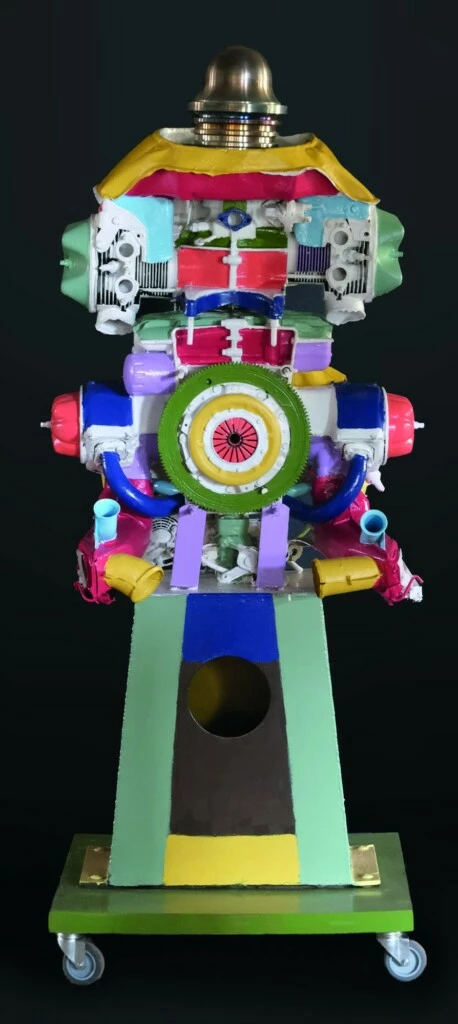
Recognisable work. If your work can be identified without reading your name, the first hurdle is cleared. That does not mean spectacular, it means coherent. An artist who changes language every six months is impossible to defend, not on principle but because there is nothing to tell a collector.
Regular production. Twenty coherent pieces are worth more than three very fine ones. Regularity proves the work exists independently of the chance to show it, and makes it possible to build a catalogue rather than a brochure.
Accepting documentation. This is the criterion that rules out the most submissions, and nobody says so. A represented artist must accept that every piece is measured, photographed, named, referenced, described and made public, through a fairly tedious process. Some artists refuse, out of reserve or from fear that the mystery will dissipate. That is a respectable choice, but then representation has no object.
What to prepare before writing
You do not need a press kit or a website. You need four things.
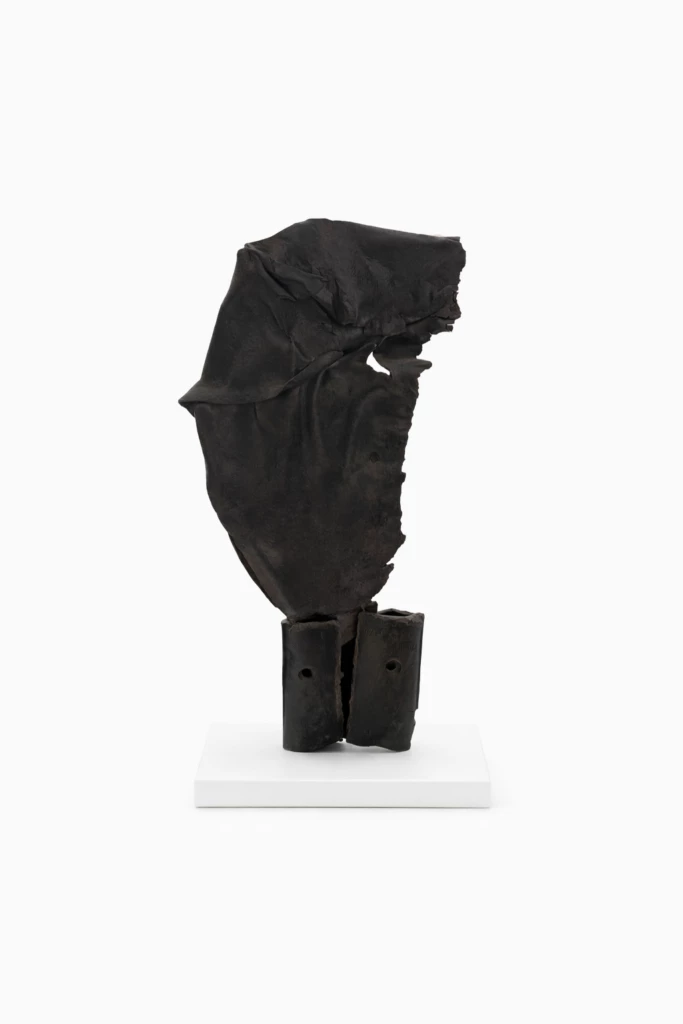
A set of decent photographs, fifteen pieces is enough, on a neutral background, the whole work in frame, no shadow cutting across it. A list giving, for each piece, a title, the year, the materials and the dimensions. A few lines about your path, what you did before, where you work, with what. And a clear idea of what is available and what is not.
That takes a day’s work. It is also the best way to find out whether you are ready.
The mistakes that get a submission refused
A few constants, common to every field.
The message with no images, pointing to a social media profile. The submission of two hundred pieces with no selection at all, where you cannot see what the artist stands for. Photographs taken on the studio floor with a table leg in the frame. No price, or a price that varies threefold depending on who is asking. And the phrase that comes up often, I adapt to what is wanted, which is the quickest way of saying there is no identifiable body of work.
Exclusive or not
The question comes up quickly. An agency can represent without exclusivity, the artist remaining free to sell directly or to exhibit in a gallery. That is more flexible for them and more demanding for the agency, which then has to bring something you cannot get without it. The differences between an agency and a gallery are worth understanding before choosing, because the two are not mutually exclusive.
How long before an answer
A serious agency answers in every case, including to say no, and briefly explains why. A useful refusal is worth more than silence, and an artist refused one year may be taken the next, with twenty more pieces and better photographs.
Applying to ARTDELION
ARTDELION currently represents two artists, whose complete catalogues can be seen from the catalogues page. Applications go through the application page, and an answer is given in every case. To understand the house before writing, the agency page tells how it came about. For a specific question, contact is direct.