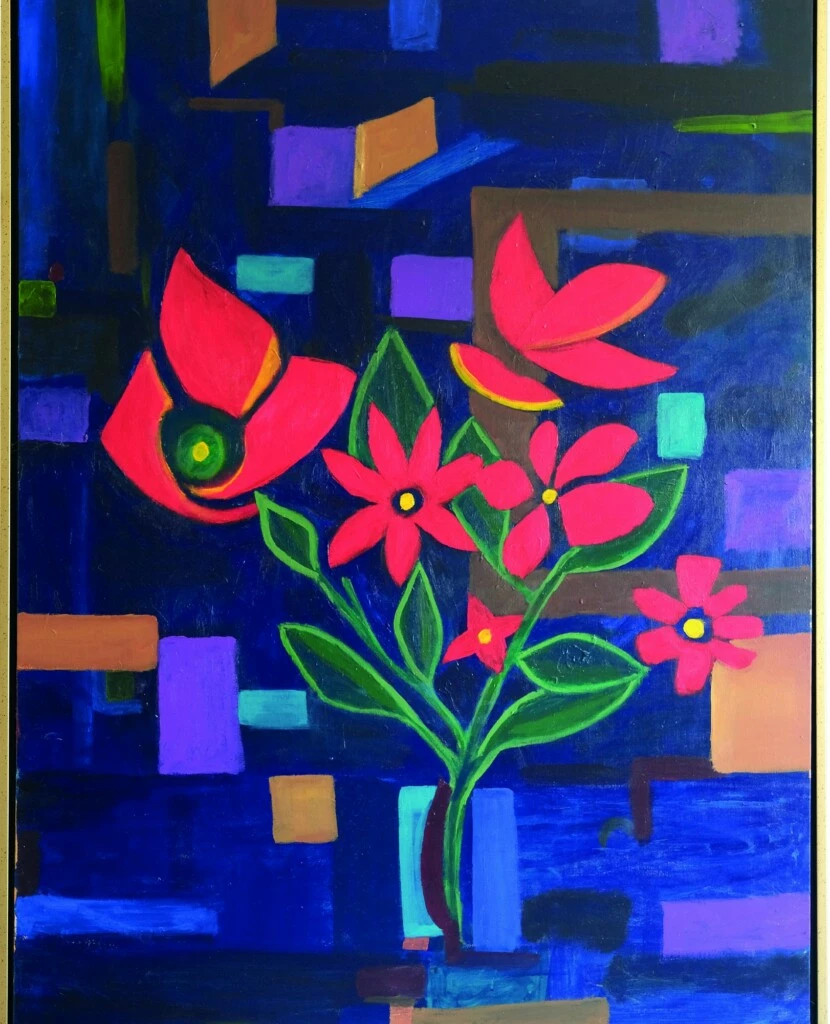
Gabriel Lemaire Sicre, the story of a man
A family of entrepreneurs and painters, twenty years in computing, then the move to Graulhet in 2013: the story of Gabriel Lemaire Sicre.
A family of entrepreneurs and painters, twenty years in computing, then the move to Graulhet in 2013: the story of Gabriel Lemaire Sicre.
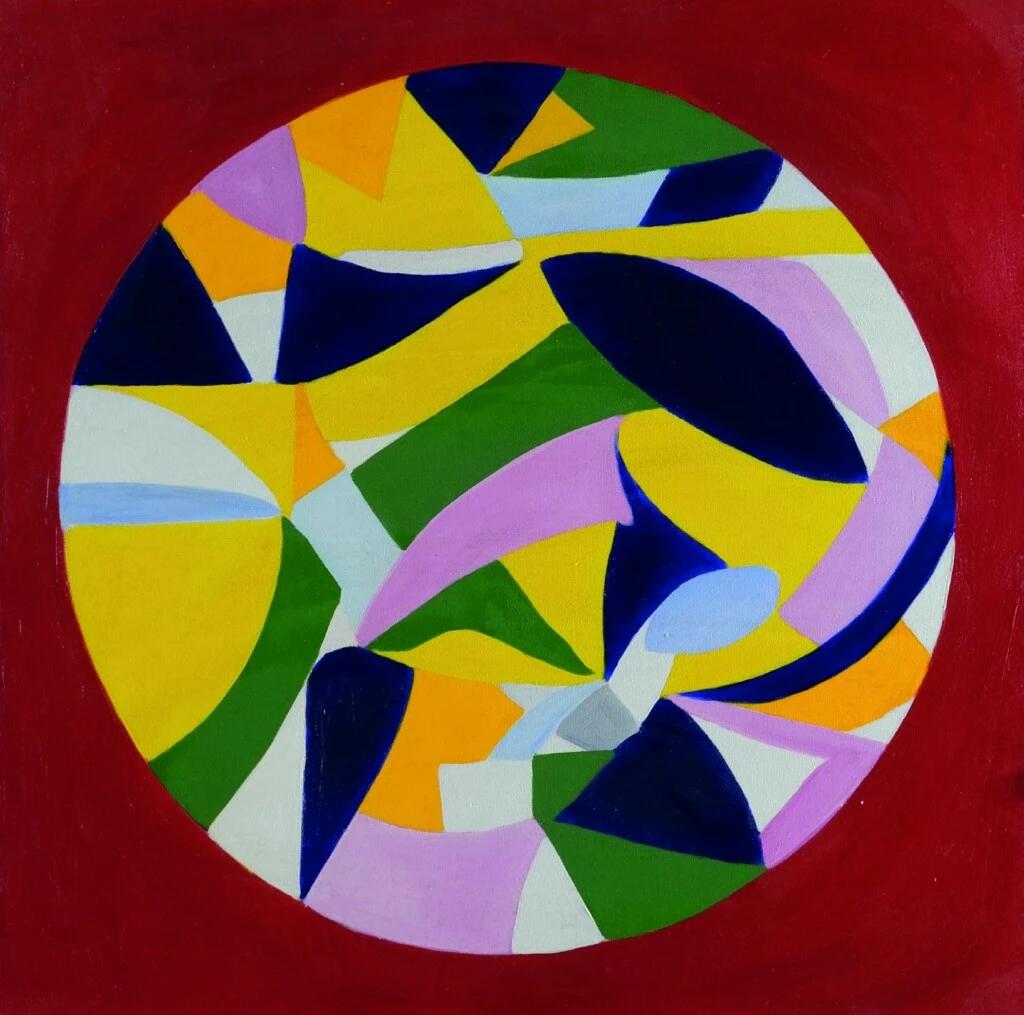
Colour thrown onto plywood, mosaics, Bach at the piano and the search for balance: how Gabriel Lemaire Sicre moved from computing to painting.
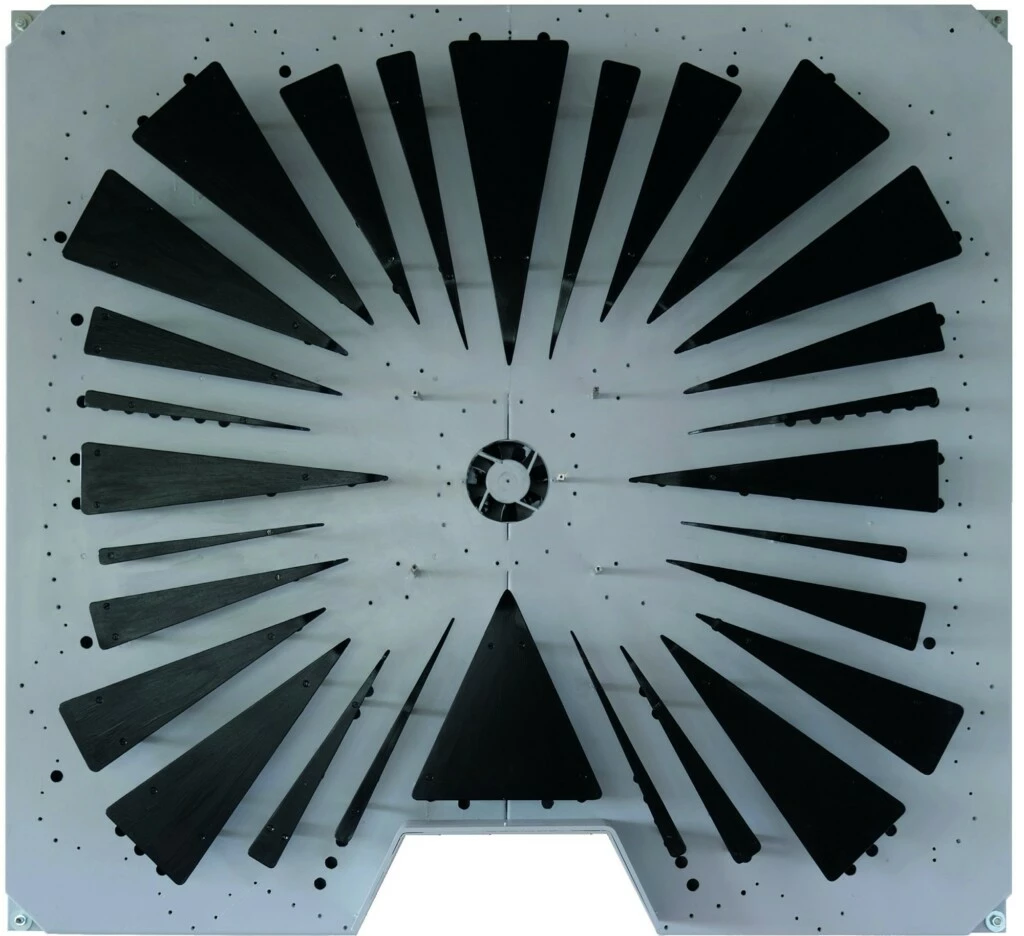
Continuing the modern masters, keeping a child’s eye, turning a factory into a temple: what Gabriel Lemaire Sicre looks for in his machines.
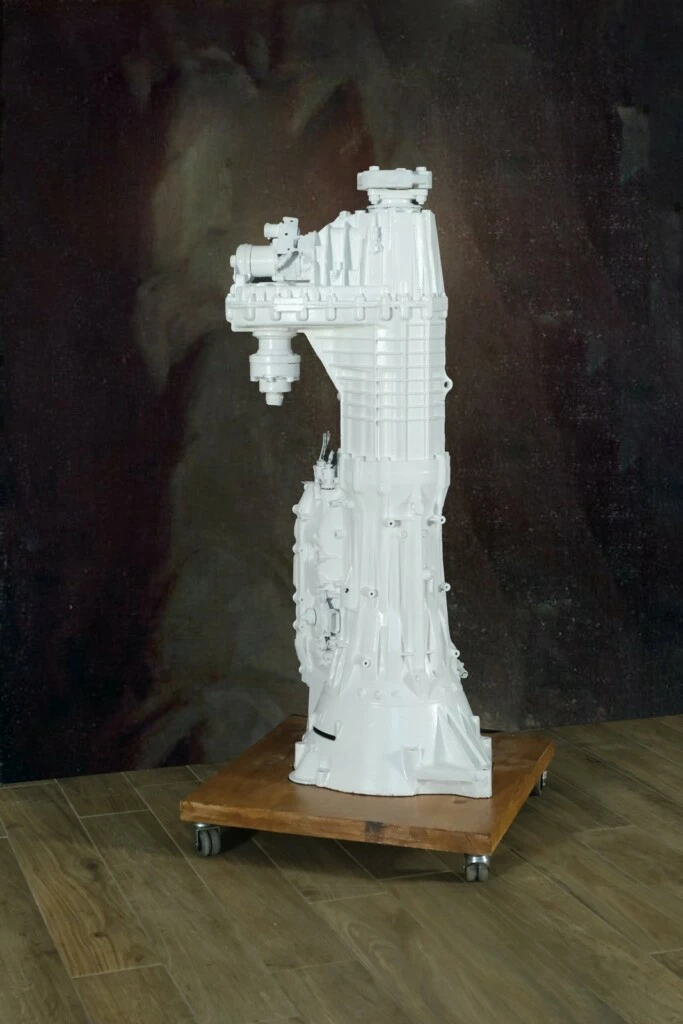
A gearbox after Ingres, a sewing machine turned thinker, a cutting die in homage to Dalí: the references the artist names himself, in his own titles.
Twenty years in computing, colour thrown onto plywood, then the departure of 2013 for the south: what Gabriel Lemaire Sicre was looking for before the machines.
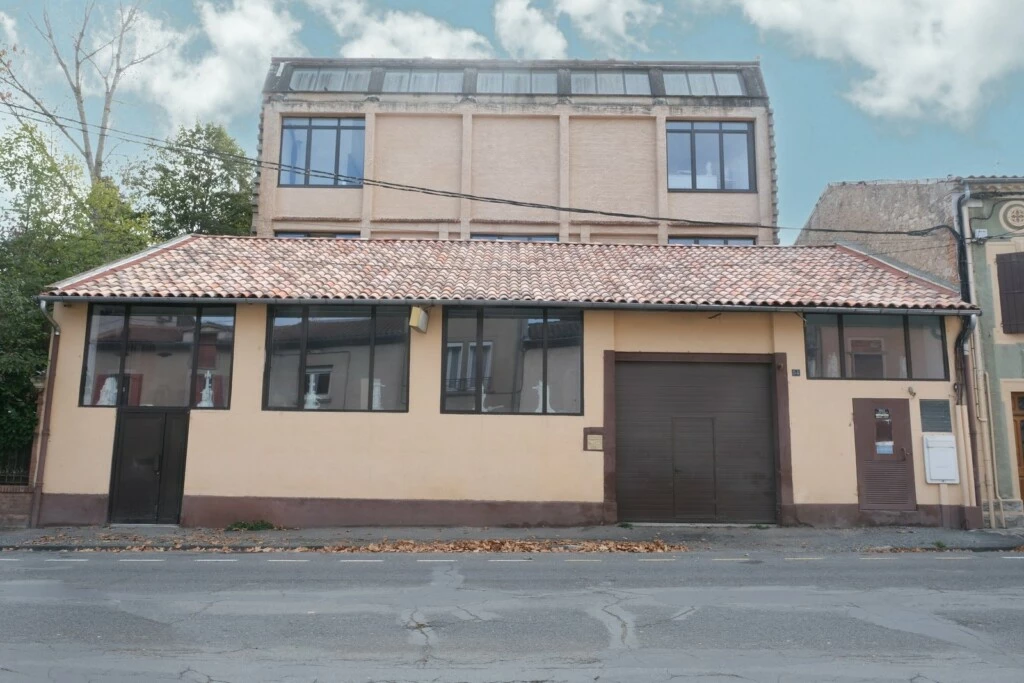
Le Paradis des Machines, in Graulhet in the Tarn: what you see, how it is organised, and why none of the works is offered for sale.
From 116 factories and 3,200 workers in the 1950s to 12 tawing houses today: the history in figures of Graulhet, world capital of basane.
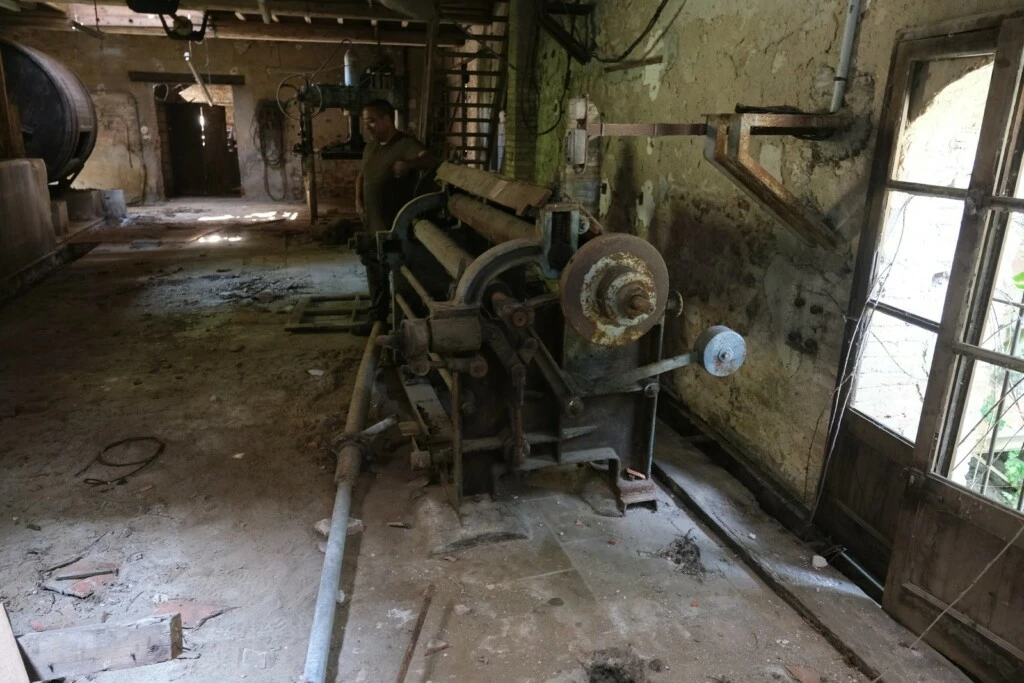
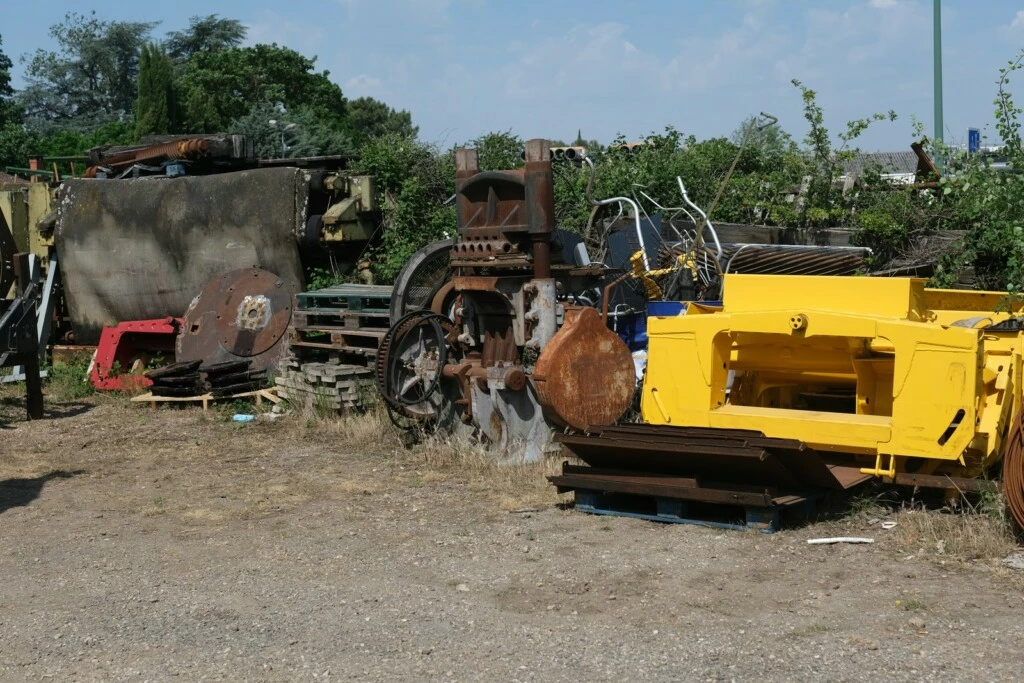
From derelict site to plinth: the six stages by which an abandoned leather-trade machine becomes a work in Gabriel Lemaire Sicre’s Paradis des Machines.
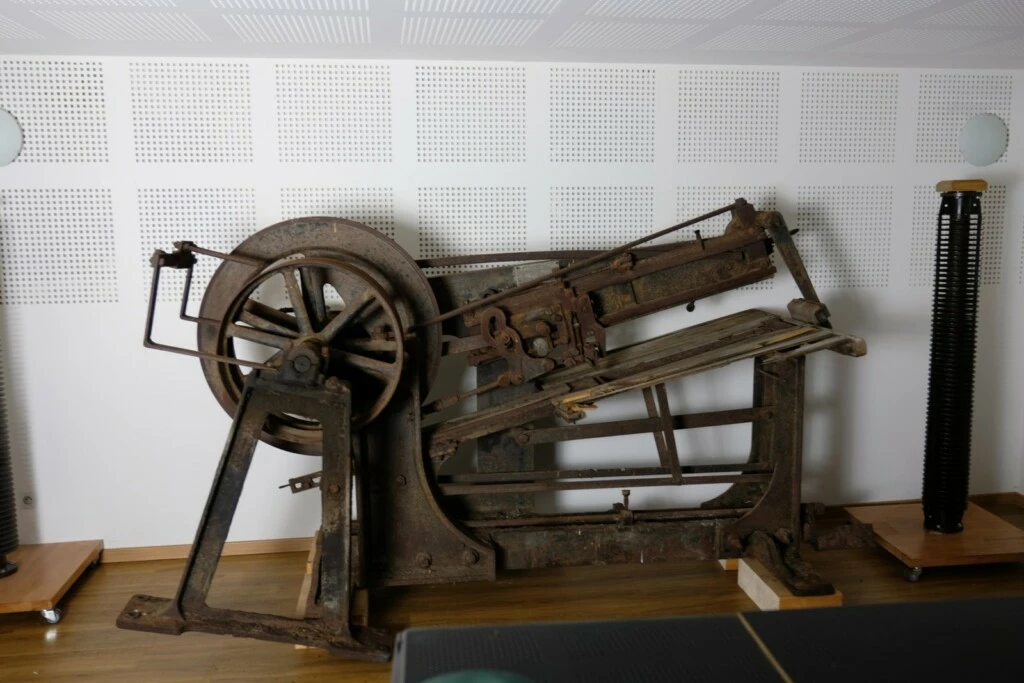
Fleshing machine, tanning drum, staking machine, glazing machine, buffing machine: what each machine did in the leather chain, explained one by one.
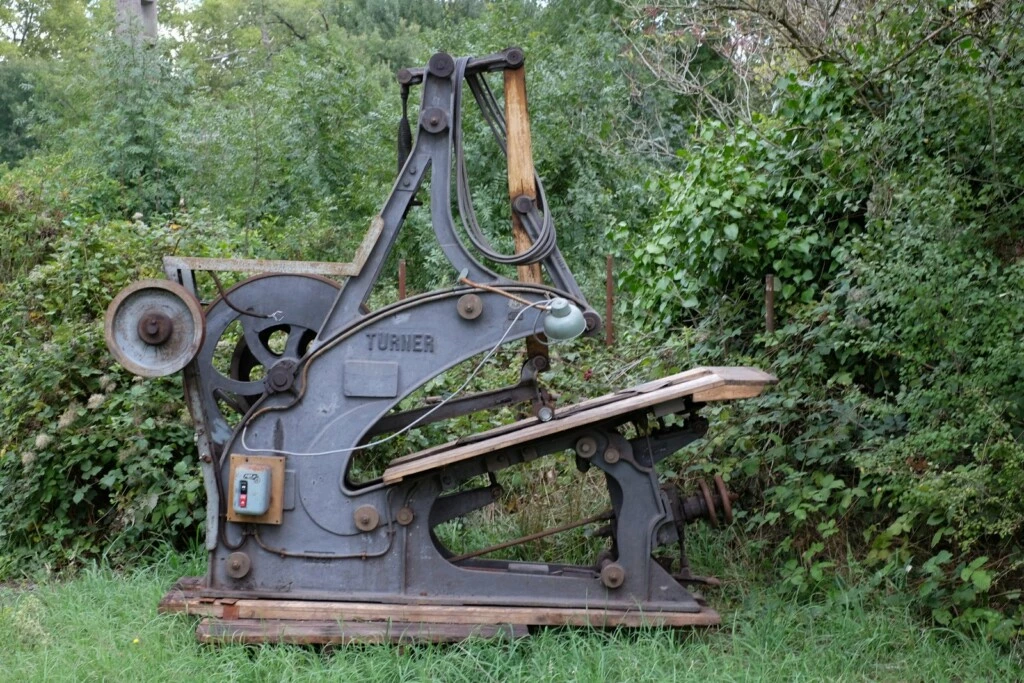
The same machine twice: rusting in the brambles, then painted on its plinth. Two before and after pairs from Gabriel Lemaire Sicre’s Paradis des Machines.